
Look around any bathroom, and you'll doubtless see dozens of plastic bottles, tubs and accessories – many of which can't be recycled.
With discarded plastic choking our oceans or sitting in landfill for hundreds of years, we need to act now to prevent the mountain of plastic waste getting any bigger.
Although plastic is a convenient way to hold our lotions and potions, there are other ways we can keep ourselves clean and well-groomed – without harming wildlife or the environment.
Here are a few simple suggestions.
Bring on the bars
Handwash, shampoo, conditioner, shower gel, bubble bath… how many of our everyday bathroom items come encased in plastic?
Liquid soap from plastic pump dispensers and liquid shower gels in plastic bottles should be the first things to go. Good old-fashioned bars of soap can wash hands, face and body. They last longer than liquids – and there are many natural bars that come in eco-friendly, recyclable packaging.
Isle of Mull soaps are handmade in Tobermory, are presented in card boxes that can be recycled, and come in a wonderful range of lovely scents. Or try the large, great value natural bars made by Our Tiny Bees – presented in simple packaging that won't harm the planet. There are more suggestions here: Natural soap bars.

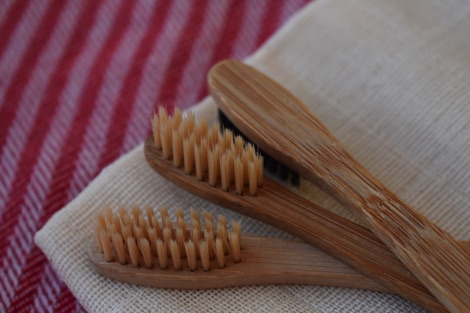
We tried out bamboo toothbrushes from Save Some Green and found that they clean teeth just as effectively as a plastic toothbrush. The smooth bamboo handle feels nice in the hand too – and the bristles are made from BPA-free biodegradable nylon. So when the toothbrush needs changing it can be composted or recycled.
Save Some Green also makes plastic-free, biodegradable tooth floss. Made from either silk, or a vegan charcoal version, the floss is infused with peppermint essential oil to keep teeth super clean, and breath fresh.
Electric toothbrush? Try Truthbrush*. This certified B-Corp company has created the world’s first bamboo electric toothbrush heads, compatible with Sonicare (and Truthbrush are currently developing an Oral-B compatible head). Truthbrush also produces sustainable colour-coded toothbrushes – useful for a family.
Buds, wipes, paper and pads
Even though plastic cotton bud sticks were banned in the UK in 2020, they still make up 30% of beach litter. And some cotton buds are still sold in plastic bags or boxes.
&Keep cotton buds* are a simple sustainable swap. Made from soft, sustainably sourced cotton, and bamboo, they come in a recycled cardboard box. After using, they can be placed in the organic waste or compost bin.
Single-use wet wipes may contain plastics or other non-biodegradable materials, and could take 100 years or more to break down in landfill. When flushed, they also clog sewers and end up polluting riverbanks.
In the UK, there are plans to ban plastic-containing single use wipes, such as face wipes and baby wipes. But even wipes labeled as plastic-free or biodegradable can take a long time to break down.
Instead of using a single-use, disposable wipe, try using a flannel or muslin cloth. These are great for sloughing away dead skin cells – meaning you can also avoid buying plastic tubes of liquid exfoliator. For example, Pai organic muslin cloths brighten the complexion by gently removing dead skin and can be used with soap and water to remove make-up and everyday dirt and grime. These are a more economic option long-term than packs of wipes too, as they should last for years.
Little Green Space is a non-profit project sharing solutions to the nature and climate crises, and offering inspiration for a greener lifestyle. If you like our content, please help keep us going with a small donation!
Little Green Space: article updated August 2026
Want to reduce your use of single-use plastics in the bathroom? We suggest five key actions, and lots of easy ideas for going plastic-free!
This article contains PR samples and *affiliate links. Little Green Space may earn a small commission if you click on these links and make a purchase. It won't cost you anything, but does help keep this site going!
The next replacement to make is shampoo. There are plenty of solid shampoo bars on the market, and most are inexpensive and long-lasting – as well as leak-free, so great for travel. Try Dr Bronner's All-One bars*, which come in recyclable paper wrapping. These bars can also be used to wash hands and body, and produce a rich lather that's suitable for shaving. Friendly Soaps also produce an effective shampoo bar in a range of scents, including lavender and tea tree*.
Getting used to solid shampoo can take some time – but stick with it. Many liquid shampoos leave a build-up of chemical residues on the hair, and strip the hair of its natural oils. To counter this, the scalp reacts by secreting excess oil. It takes a while for your scalp to stop doing this when you switch to a natural shampoo – so your hair may not feel at its best for a week or too.
But once your hair has adjusted to the lack of chemicals it should settle down – in fact you may find that you don't need to wash your hair as frequently as you used to. Allow up to two weeks for your hair to adjust – your scalp will thank you!
Blissful bathing
Showers are more environmentally friendly than a bath – but some days you just need a hot soak in a bathtub full of bubbles. The good news is that there are lots of eco-friendly alternatives to plastic bottles of bubble bath.
There are lots of small, local producers across the UK making bath bombs out of natural ingredients – check out local craft and farmers' markets to see what you can find (and remember to take a reusable bag or container to transport them home).
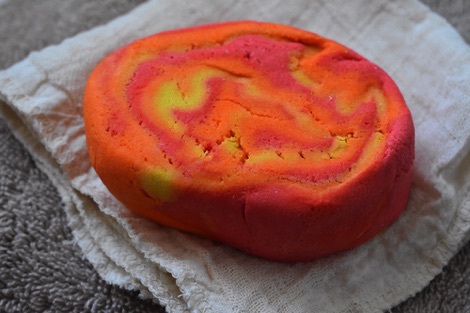
For an opulent bath, try a Lush Bubble Bar. Their Bright Side bar (pictured above) is made with Sicilian mandarin, bergamot and tangerine essential oils and has a gorgeous, mood-lifting fragrance. Each bar lasts for ages, as you only need a small chunk to produce a bathload of foamy bubbles (although Lush's advice is to use a quarter of the bar per bath, we found we needed nowhere near that amount – a little goes a long way). And whether you buy in store or online, they're not wrapped in plastic.
If you don't care about bubbles, but do want to relax with a soothing scent, try adding essential oils to a bath. Many essential oils can irritate the skin, so take care – it's best to stir them into a little olive oil or coconut oil first, or add a few drops to a cup of Epsom salts. Skin-friendly oils include lavender, geranium and chamomile – all are calming and will help promote a restful night's sleep.
Find more suggestions for eco-friendly bath products
here.
Buy better bottles
Can't live without liquids? Some bottles are better than others. Miniml* offers handwash and liquid shampoo (as well as all sorts of cleaning products) in recyclable, plastic or glass bottles that can be refilled. Miniml also offers a wide range of products in large 5l containers – from toilet cleaner to hand wash to hair conditioner. Miniml products are available in a lovely range of scents including coconut, grapefruit or lavender.
While glass bottles will keep your bathroom completely plastic free, they're not always ideal on some slippery bathroom surfaces – especially with children around. So sometimes plastic bottles are a necessary choice.
Faith in Nature* bottles are made of recycled plastic, and can be recycled after use. Large 1-litre and 5-litre bottles are also available for many of the company's wonderful body washes, shampoos and conditioners. These products are made with natural ingredients, and are free from artificial colours, fragrances and parabens.
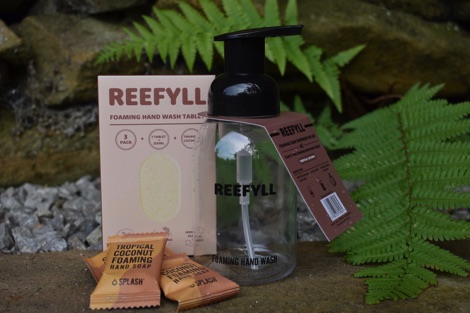
Reefyll produces plastic-free hand soap tablets that can be dissolved in a bottle of water to produce a foaming handwash. The starter packs include a plastic bottle with a special dispenser that turns the liquid into a creamy, cleansing foam. Currently available in two scents – Tropical Coconut and Juicy Orange – the soap is lovely to use and is particularly appealing for kids. The buy-once bottle is made of recycled plastic – it's sturdy and designed to last a lifetime, while the refill tablets are packaged in recyclable paper.
Or try The Green Co's GreenTabs Foaming Hand Soap. The starter kit contains an attractive, sturdy glass bottle, and a tablet that magically converts to a rich, cleansing foam when you add water.

Weleda* uses recyclable glass bottles, made from 85 per cent recycled glass, for many of its all-natural products – including Sage Deodorant, Pine Bath Milk, Aknedoron Cleansing Lotion (a great quick fix for problem skin) and its range of wonderfully scented body oils. It also uses recyclable aluminium tubes for many products. Any non-recyclable items can be returned to Weleda for free to be recycled with waste management experts ENVA to ensure that Weleda packaging does not to go to landfill.
Brush with bamboo
Next time you need a new hairbrush or toothbrush, ditch the plastic and switch to bamboo.
Dentists recommend you change your toothbrush every three to four months – so for a family of four, that's 16 pieces of plastic going to landfill every year.
Each year more than 45 billion sanitary pads are disposed of – and many of these contain plastics that don't break down for hundreds of years. But there are many reusable options on the market, from Mooncups to cloth pads.
Ethical Superstore also offers a selection of reusable period products, including washable pads and pants.
If you don't want to make the move to reusables, try Natracare pads and tampons, which are made from organic cotton and contain only natural materials. They are biodegradable – and contain no plastic.
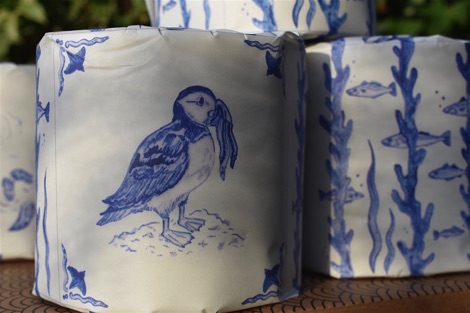
Toilet paper from the supermarket usually comes in plastic bags. Bumboo* produces sustainable, 3-ply bamboo toilet tissue that's 100% plastic free – and often comes wrapped in pretty, reusable paper, like the English Delft design pictured above. For every box ordered, a tree is planted with Eden Reforestation Projects – helping communities devastated by deforestation to restore the forests and their livelihoods.
Ads/Affiliate links