

Early nectar-rich blooms, nesting birds, and the first butterflies – a few things to see and hear in February and March
What to look out for in early spring
Spring may still seem a long way off, with some parts of the UK reporting their wettest January on record. But with a bit of luck, we may have some drier and warmer days soon.
Early spring sunshine can lure out the first bumblebees and other insects of the year. When this happens, they will be looking for something to eat – and this is where spring bulbs like snowdrops and crocuses can be really useful, as they provide nectar when there's little else about.
The first butterflies to be seen are usually peacocks and small tortoiseshells. Peacocks are instantly recognisable: the large, colourful 'eyes' on each wing make them one of the UK's prettiest butterflies.
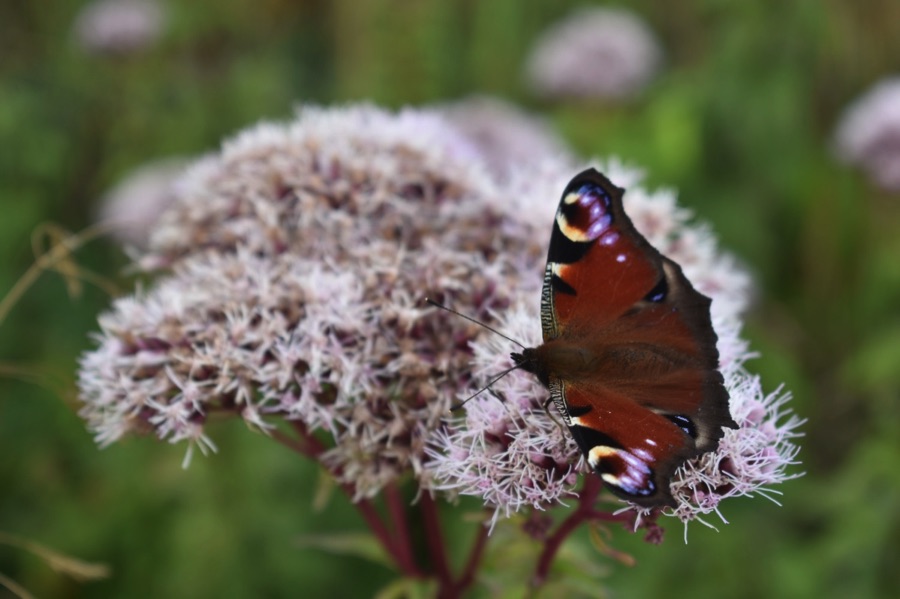
Peacock butterfly larvae feed on nettles. The new shoots of these familiar, stinging plants begin to appear in February, and if you're lucky enough to have a patch of nettles growing in your garden, allotment, or community green space, try to leave it as undisturbed as possible – because nettles are a veritable 'super plant' for wildlife.
A single nettle patch can support over 40 species of insects. Along with peacock butterflies, small tortoiseshells and red admirals lay their eggs on nettles – the leaves are a valuable source of food for the caterpillars. Aphids shelter in nettle patches, and this will attract ladybirds as well as insect-eating birds such as bluetits. And in autumn, birds eat the seeds.
Native plants
Another plant to look out for in early spring is cuckoo-pint – also known as lords-and-ladies. Arum maculatum (the plant's botanical name) thrives in damp shady places, so is often seen growing in woodlands, hedgerows and ditches. It has large, arrow-shaped, bright green leaves that appear in early spring, followed by impressive flower stalks that are protected by a green, leafy hood.
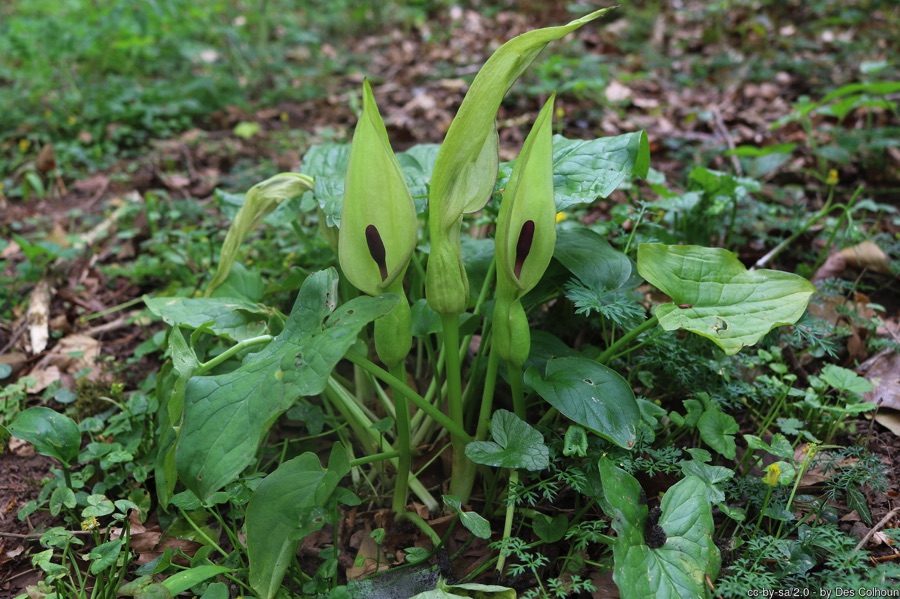
In autumn it produces bright red berries which are loved by blackbirds and thrushes. These – and other parts of the plant – are poisonous to humans, though, so avoid touching cuckoo-pint if you see if growing out in the countryside.
Also look out for catkins growing on hazel trees. These long droopy clusters of tiny yellow flowers usually appear before the leaves unfurl. They're a useful source of early nectar for insects – although the hazel tree doesn't rely on insects for pollination, as this is done by the wind. Gusts pick up the abundant, powdery pollen from the male flowers and carry it to the waiting female flowers. The female flowers then produce and release seeds – which are also carried by the wind to grow away from the parent plant.
The name catkin comes from the Dutch word katteken, which means kitten – a nod to the fluffiness of the long, dangly flowers. They're also known as lamb's tails, which has strong associations with the onset of spring.
Owls and woodpeckers
The main nesting season doesn't start until March, but if the weather is mild, some birds may start nesting in February.
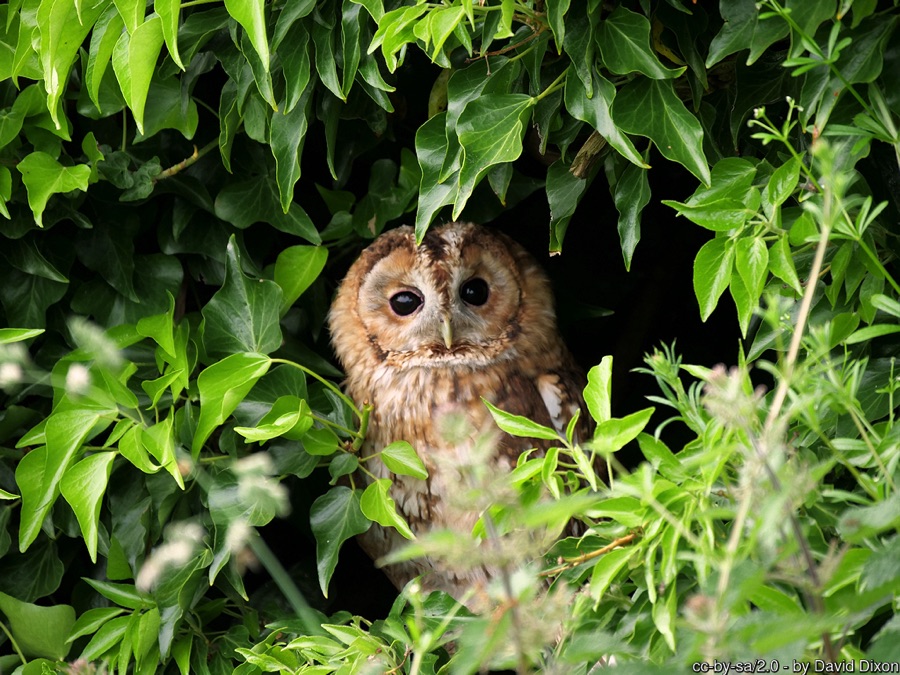
Tawny owls are among the first of UK birds to breed. Listen out for their classic hooting calls – the 'twit twoo' sound is actually made by two birds, a male and a female, calling to each other.
Tawny Owls are our most common owls, but their population has declined by more than 40% over the last three decades, and they are now on the Amber List of Birds of Conservation Concern.
Early nesting can be a problem, and, according to research by the British Trust for Ornithology, some species are breeding up to a month earlier than they were in the 1960s – a new trend driven by climate change.
This can cause problems, as birds might go hungry due to a lack of resources early in the year – and, for insect-eating birds, chicks need to be fed before the insects they eat emerge. For this reason, if you feed the birds in your garden over winter, it's important to keep food supplies available until spring has truly kicked in, and natural food sources become available.
Also grow plenty of early flowering nectar-rich plants, to attract more insects to your garden: mahonia, Erysimum Bowles's Mauve, witch hazel and spring-flowering heather are good choices.
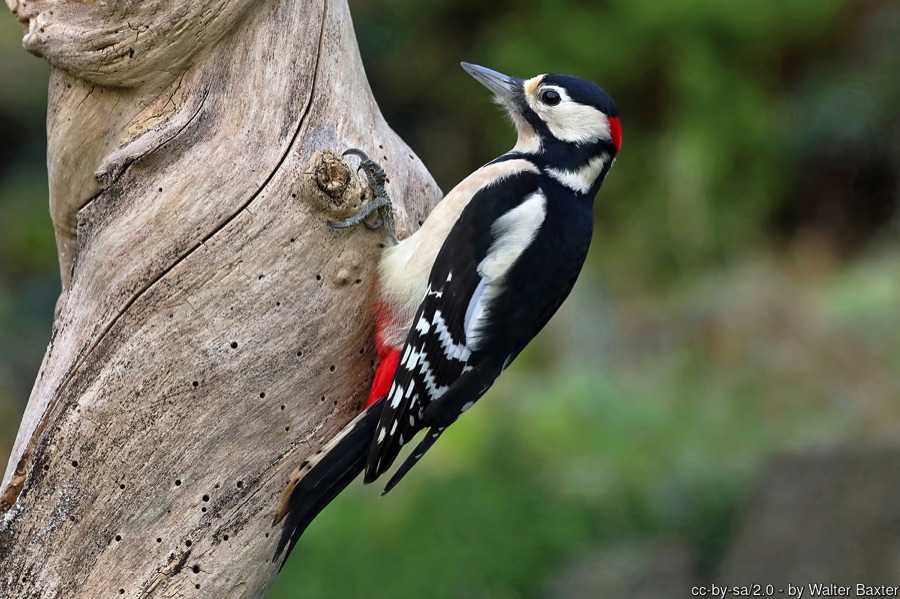
The great spotted woodpecker is another early nester, using its beak to excavate nest holes in tree trunks. There are three species of woodpecker in the UK – the other two are the lesser spotted woodpecker and the green woodpecker. All three species have striking plumage, and the distinctive springtime drumming of the great spotted woodpecker can often be heard in mature woodland across the country.
Robin's nest
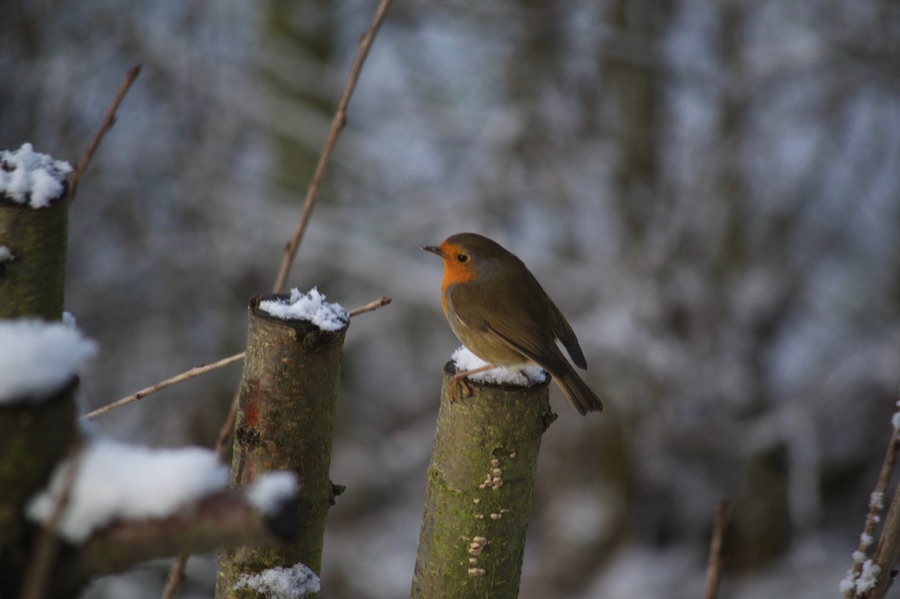
In a mild February, songbirds such as robins, blackbirds and thrushes may also nest early – risking outbreaks of cold weather, and increased danger of predators (due to sparse vegetation), for the chance to raise an extra brood later in the year.
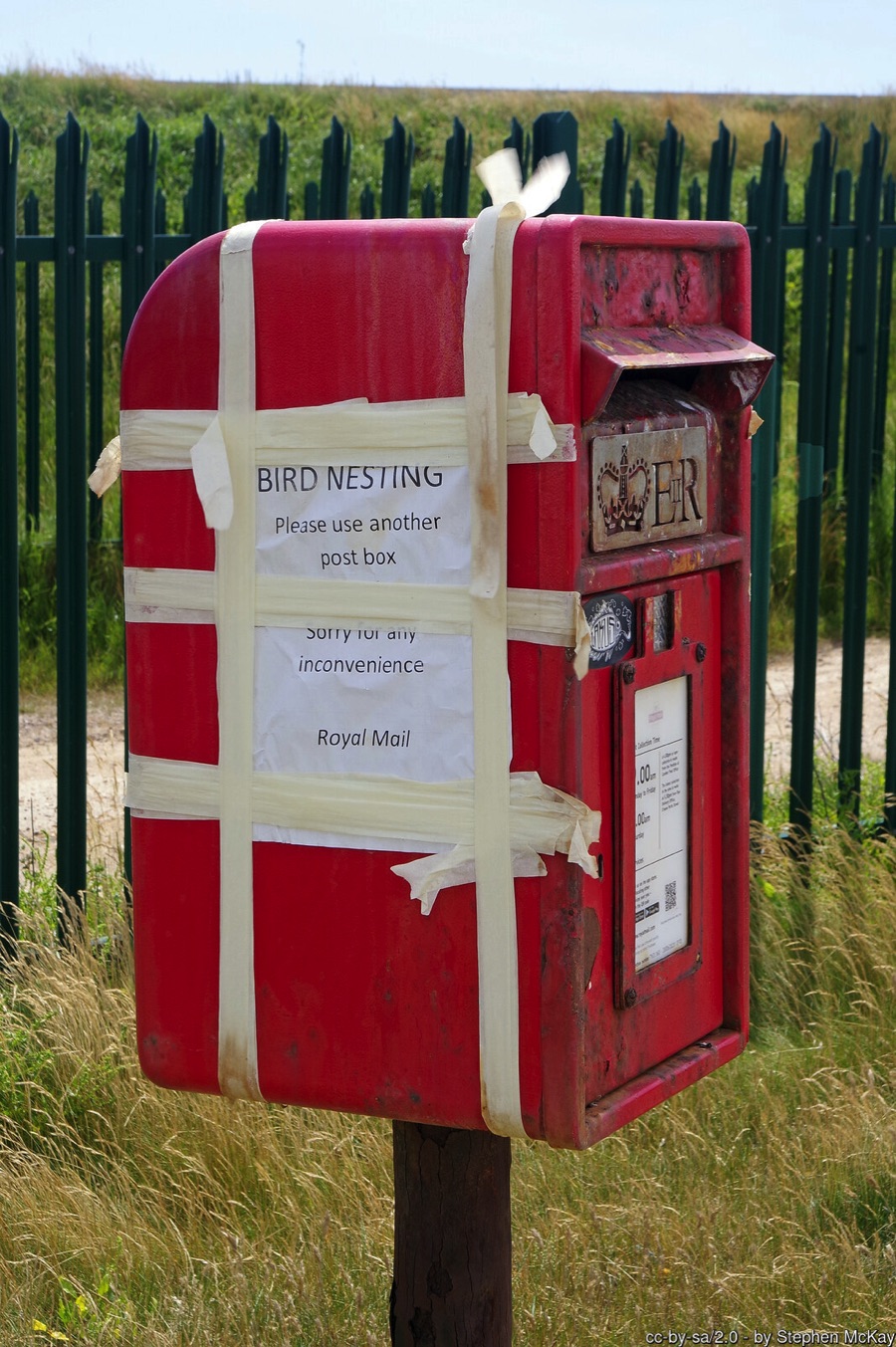
Birds don't always settle down in a standard nest or nest box – and could end up nesting almost anywhere. Watering cans, hanging baskets, clothes-peg bags and toolboxes could all end up housing a brood. Blackbirds, great tits and robins, in particular, seem to have a penchant for the peculiar – and have been found nesting inside traffic cones, post boxes and on top of car wheels. So take care when tidying up around the garden, to avoid disturbing a nest full of chicks.

Little Green Space is a non-profit project sharing solutions to the nature and climate crises, and offering inspiration for a greener lifestyle. If you like our content, please help keep us going with a small donation!
Ads/Affiliate links
Little Green Space February 2026