
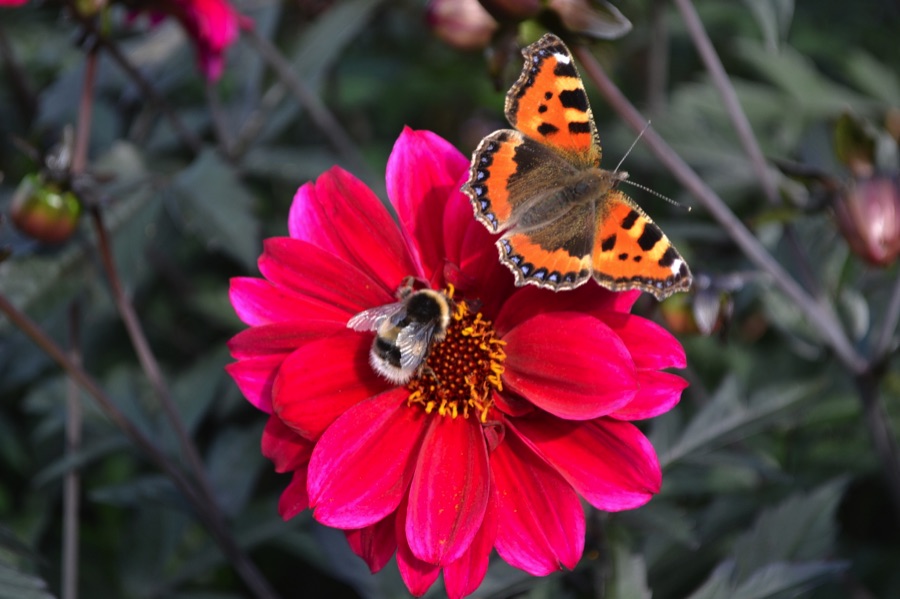
nature-friendly garden
Five top tips for a
Our gardens and community green spaces can be havens for wildlife. Here are our five favourite suggestions for helping nature to thrive
Gardens and community green spaces can be fantastic habitats for wildlife. From frogs and toads to bumblebees and butterflies, our gardens are capable of supporting all sorts of birds, mammals, insects and amphibians.
There are an estimated 16 million gardens in the UK – and whether these are big or small, together they form a wide network of spaces that has the potential to be a vast haven for wildlife.
Wildlife gardening needn't be hard work or cost a lot of money. With a few simple actions (and sometimes by doing nothing at all!) it's possible to create an environment where nature can thrive.
Here are five easy ways to create a wildlife-friendly garden in 2026.
Let dandelions grow
Dandelions are one of the earliest wildflowers to emerge in spring, and the cheerful yellow blooms are a vital source of nectar for bumblebees, butterflies and other insects when there's little else about. They continue to flower until October, and so provide food for much of the year.
An added bonus is the seeds, which are a valuable source of food for many birds. Goldfinches, in particular, love them.
There are more than 200 microspecies of dandelion in the UK, and most of these are native. The name comes from 'dent de lion' – French for 'lion's tooth' – referring to the jagged shape of the leaf edges.
The great thing about dandelions is that you don't have to plant them. Just leave a patch of lawn unmown, and they will appear all by themselves – so this is a great option for anyone with limited time and money.
And if you do allow a small patch of grass to grow long you may notice other insect-friendly plants emerge. Red and white clover, buttercups, ox-eye daisies, teasels and forget-me-nots are some of the most common wildflowers found in long grass. If you're lucky, you may also get cowslips, harebells – or even orchids. All of these native plants are fantastic for pollinators and other wildlife.
Build a log pile, not a bonfire
When tidying the garden, resist the temptation to burn garden debris on a bonfire. Instead, try piling up branches and fallen leaves in a quiet corner. This provides a safe place for animals such as hedgehogs and toads to shelter. Fallen branches and logs are also a useful habitat for invertebrates – beetles in particular love rotting wood – as well as other animals such as wood mice and slow worms.


Because dead wood supports many invertebrate species, birds that feed on insects will also be attracted to log piles and fallen branches. Decaying wood is a habitat for all sorts of fungi too.
Once you've created a log pile or leaf pile, it will be very appealing to hibernating animals like hedgehogs – so try to leave it as undisturbed as possible, especially through winter and early spring.
Install a water feature
Water is essential for all wildlife, and including a water feature in your garden is one of the best things you can do to help boost biodiversity.

Female stag beetle © Izzy Bunting
Ponds are full of life, attracting frogs and toads, as well as all sorts of insects. Pond skaters and water boatmen dart around in the water, and colourful dragonflies and damselflies hover above the surface.
Bats, swifts and swallows are attracted by the increased number of insects, and mammals like hedgehogs and foxes will stop by for a drink.
Unfortunately though, freshwater ponds are a declining habitat. According to Freshwater Habitats Trust, 50% of ponds were lost during the 20th century – and of those that remain, 80% are in a poor state. So ponds in gardens and community green spaces are more important than ever.
You don't need a lot of space for a pond, and it doesn't have to be hard work – preformed ponds are available in sizes as small as a metre wide, and are quick and easy to install. Whatever the size of your pond, make sure there are areas of shallow water at the edges. If the pond's sides are too steep, visiting wildlife will struggle to access the water, and may not be able to get out again if they fall in.
If you don't have much space, you can still create a water feature – and even the smallest pond will increase the biodiversity in your garden. You can create a mini pond with any water-tight container, for example an old washing-up bowl. Add layers of gravel and stones to create different water depths, and fill with rainwater. Adding a plant, such as starwort or miniature waterlily, will keep your pond healthy.
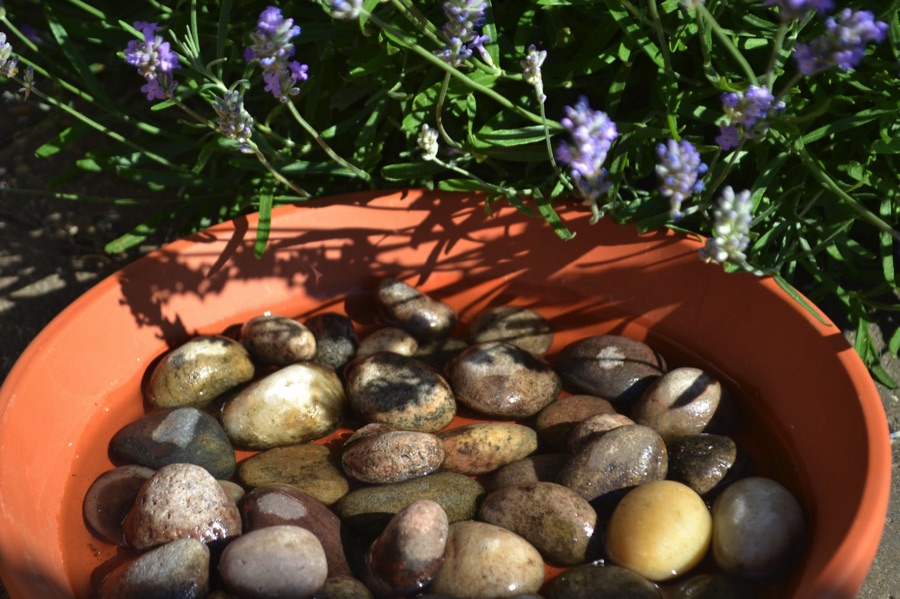
Or create a bee bowl (pictured above), using a large terracotta saucer filled with pebbles. Insects need to drink too, and a bee bowl provides safe, shallow areas of water that are easy to access.
Avoid weedkillers and pesticides
Weedkillers kill all plants they come into contact with – including beneficial nectar-rich plants and wildflowers.

Where wild plants are growing in places where you really don't want them – for example, a vegetable garden – they can be controlled or removed with non-toxic methods such as hoeing, mulching or digging. Large areas can be covered with carboard to suppress and weaken unwanted weeds by blocking out light.
Similarly, pesticides are harmful to all insects, including important pollinators such as bees.
And insect declines have a massive impact on the creatures that depend on them for food. Hedgehogs, for example, are struggling for various reasons, including a lack of insects to eat.
The dangerous chemicals that weedkillers and pesticides contain leach into the soil – harming earthworms and other soil-living organisms. And they eventually end up in water sources, harming aquatic creatures.
To keep pest populations in check without pesticides, attract insect-eating birds to your garden with feeders. Also provide natural bird food sources such as berry-producing plants – as well as nesting sites, shelter and water. Garden birds are fantastic allies in the garden: blue tits, for example, feed on aphids, and thrushes eat snails.

Also attract beneficial insects – ladybirds and hoverflies, for example, eat aphids and whiteflies. Nectar-rich planting, wildflowers and areas of long grass will bring these beneficial insects into your garden – see below for ideas for plants to grow.
Grow nectar-rich flowers
Insect populations have crashed in recent years, so creating a bee and butterfly garden is a brilliant way to help our struggling pollinators.
The cheapest way to do this is to buy a couple of packets of seeds. Annuals (plants that flower once, then die back in autumn) are easy to grow, and you can sow them in a flower border, patio pot or window box. Cosmos, sunflowers, sweet peas, calendula and marigolds are all easy-to-grow flowers that will attract bumblebees, butterflies and hoverflies.
Hoverfly on calendula flower

Sunflowers
If you want a more permanent nectar garden, plant herbs, perennials and shrubs. Bumblebees love lavender, and other herbs, such as rosemary, thyme and borage, are also good choices. There are lots of nectar-rich perennials to choose from: scabious, sedum and verbena bonariensis are three suggestions. Bee-friendly shrubs include mahonia, viburnum, and hebe – the latter is particularly popular with bees and butterflies, and is available in a range of colours and sizes to suit most situations.
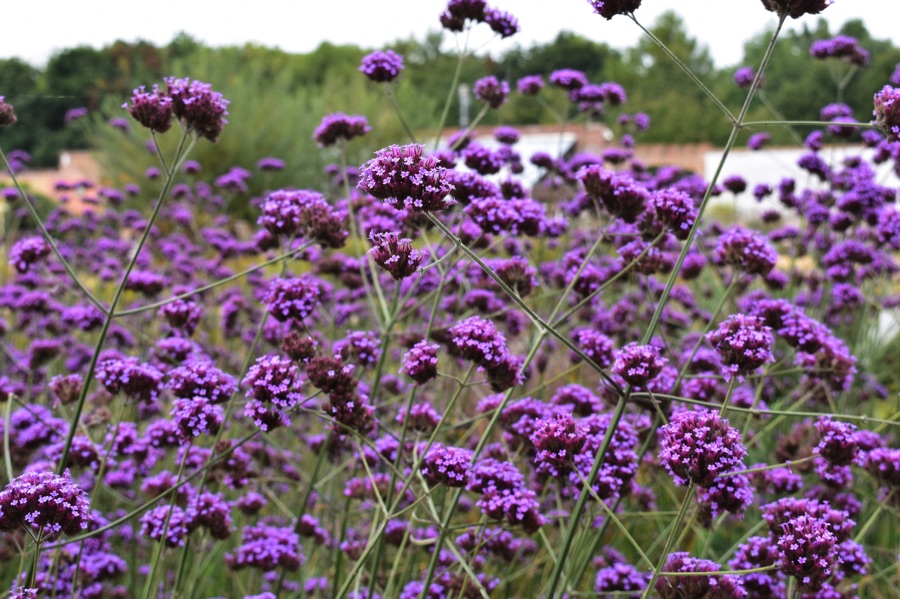
Verbena bonariensis
Many spring bulbs are excellent too, as they offer nectar early in the season when insects are emerging from hibernation. Because they grow back each year – sometimes spreading naturally – they're a good choice for budget-conscious gardeners. Try snowdrops, crocus and grape hyacinths – but avoid frilly or fancy flowers, as they offer less nectar and are harder for insects to access.

Crocuses and snowdrops

Little Green Space is a non-profit project sharing solutions to the nature and climate crises, and offering inspiration for a greener lifestyle. If you like our content, please help keep us going with a small donation!
Ads/Affiliate links
Little Green Space January 2026